

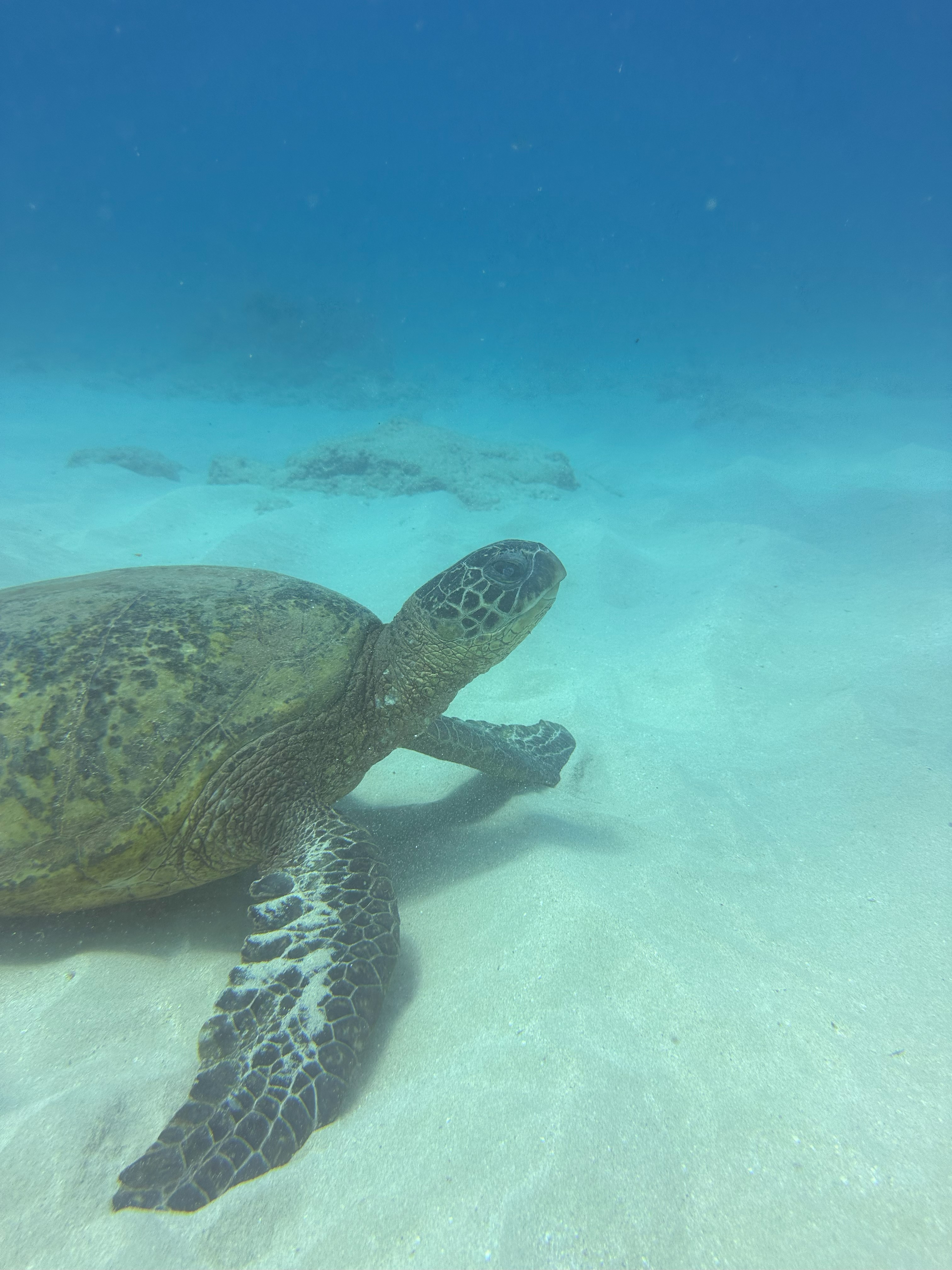
Exploring Turtle Canyons in Waikīkī
Just offshore from the iconic sands of Waikīkī lies one of Oʻahu’s most beloved and biodiverse marine habitats — Turtle Canyons. This reef system is a mosaic of coral structures, ledges, and cleaning stations that serve as essential habitat for Hawaiʻi’s native green sea turtles (Chelonia mydas), locally known as honu. These gentle giants frequent Turtle Canyons year-round to rest, feed, and interact with the reef’s cleaning fish, creating an ideal setting for our sea turtle conservationist program and citizen scientist training.

The Sea Turtle Conservationist Program
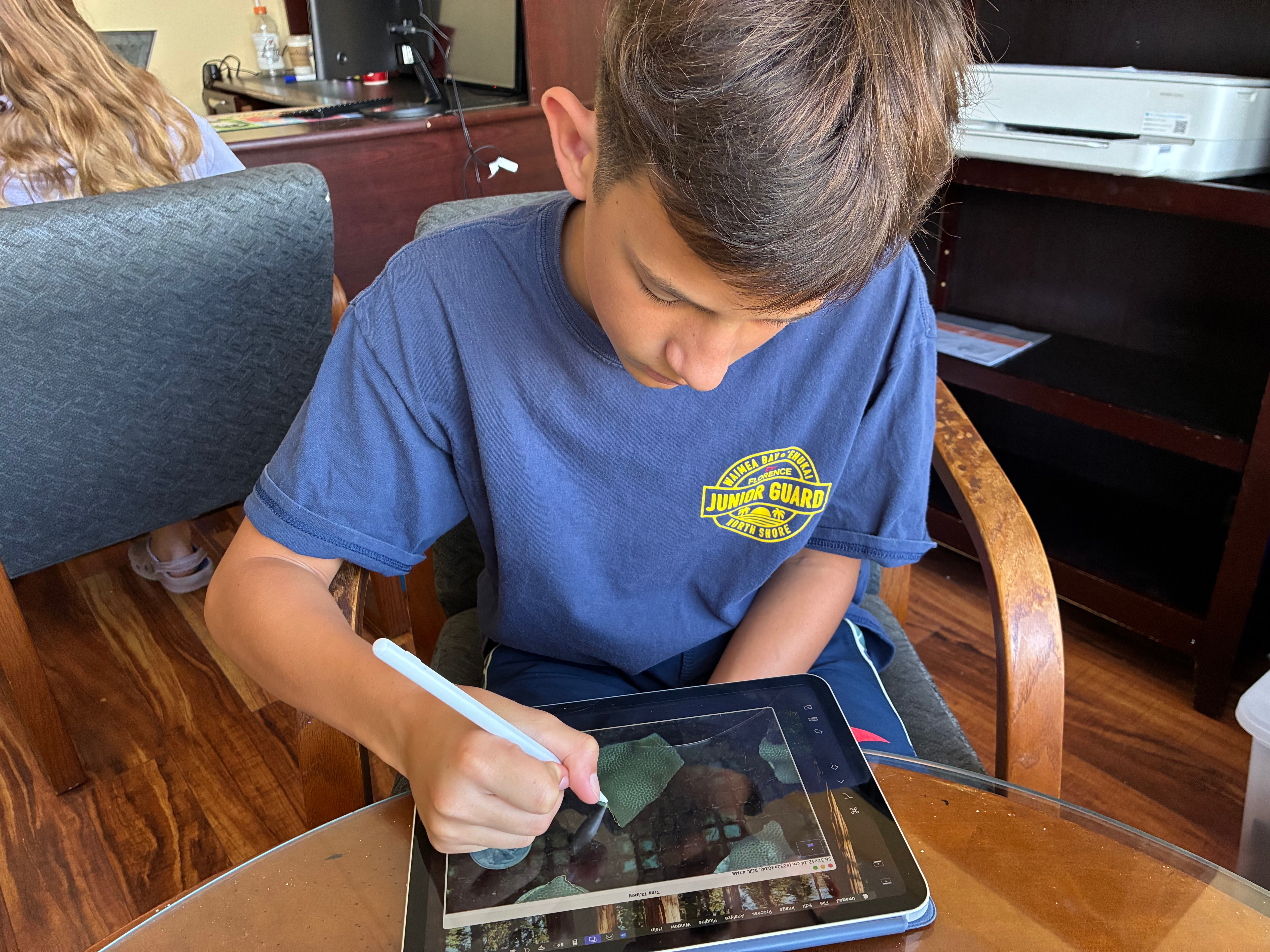
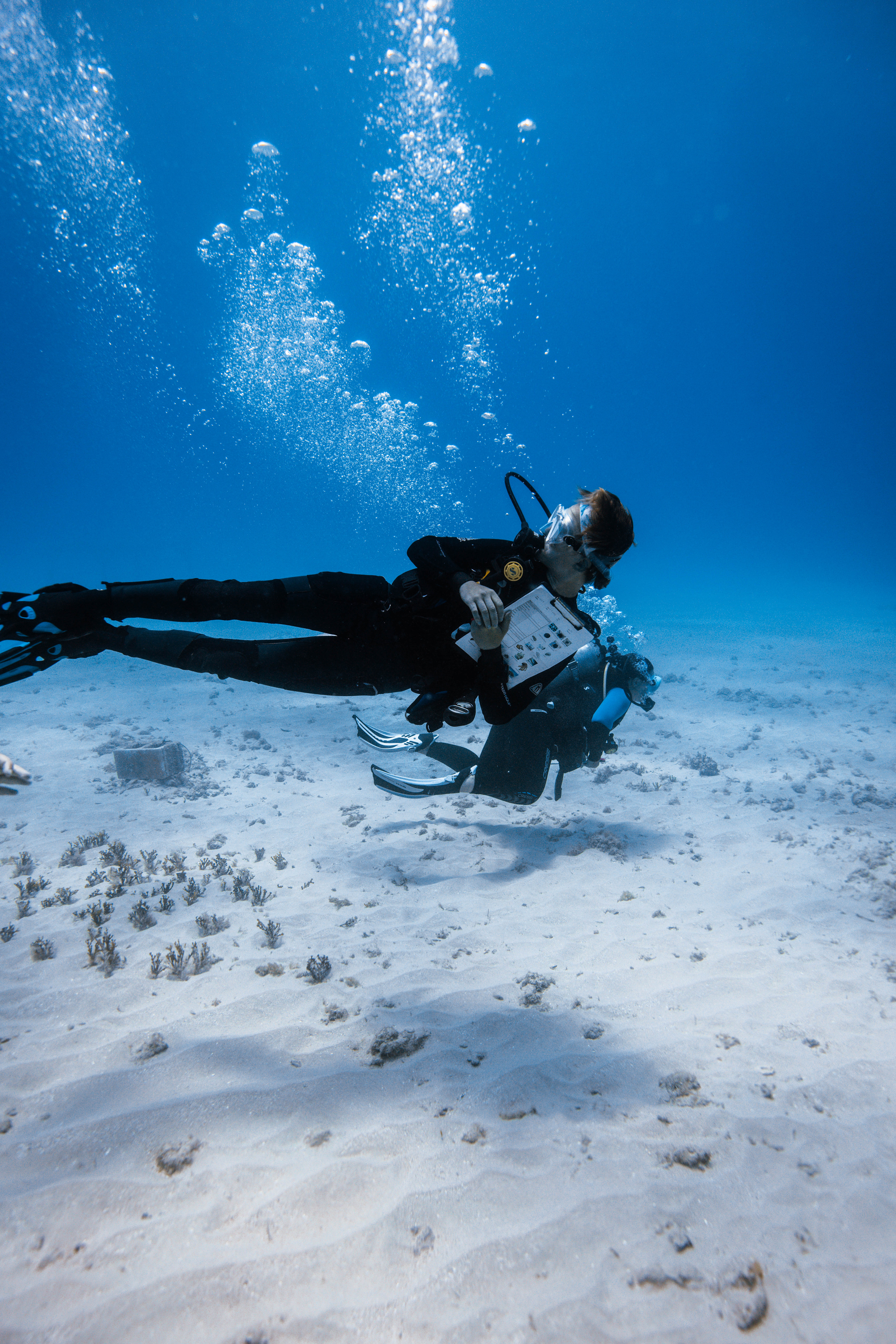
At Ocean Alliance Project, our Sea Turtle Conservationist Program invites participants to dive deeper than a typical snorkel experience — turning a day in the water into an opportunity to contribute to real marine science. Participants learn how to photograph and identify sea turtles, recognize signs of disease such as fibropapillomatosis (FP), and record behavioral observations that help researchers monitor the health and activity of local turtle populations over time.
On a recent excursion, Kelly Kim joined our team for a full day of conservation snorkeling and fieldwork at Turtle Canyons — and her experience captured exactly what this program is all about.

Kelly Kim’s Day as a Sea Turtle Conservationist
The morning began with a shoreline briefing led by our marine biologists, where Kelly and the group learned about turtle ecology, the importance of Turtle Canyons, and how citizen science supports long-term conservation goals. With snorkel gear fitted and cameras ready, the team boarded our vessel and headed out over the reef.
Once in the water, Kelly put her new skills into practice — photographing turtles from multiple angles, logging behaviors, and helping identify individuals based on their unique facial and shell patterns. Throughout the snorkel, the group observed several turtles exhibiting a range of behaviors, from resting to cleaning interactions, all while practicing respectful and non-invasive observation techniques.
By the end of the day, three individual turtles were successfully documented and added to our growing identification database.
Sea Turtles Identified During Kelly’s Survey
1. Phuong
- Species: Green sea turtle (Chelonia mydas)
- Sex: Female
- Life Stage: Adult
- Health Status: Low severity fibropapillomatosis (FP)
- Behavior Observed: Resting on the seafloor
Phuong was spotted tucked into a sandy patch at the base of the reef, sleeping peacefully. Although she showed signs of mild FP, her overall condition appeared strong and stable. Continued monitoring will help track the progression of her health over time.
2. Corelord
- Species: Green sea turtle (Chelonia mydas)
- Sex: Female
- Life Stage: Adult
- Health Status: No signs of FP
- Behavior Observed: Surfacing and breathing
Corelord made a few graceful appearances at the surface, taking slow breaths before diving again to forage and explore the reef. Observations like these help us understand typical surfacing intervals and respiratory patterns in healthy adult turtles.
3. Abby
- Species: Green sea turtle (Chelonia mydas)
- Sex: Female
- Life Stage: Adult
- Health Status: No signs of FP
- Behavior Observed: Interacting at a cleaning station
Abby was observed at one of Turtle Canyons’ natural cleaning stations, where reef fish remove algae and parasites from her shell and skin — a behavior critical to turtle health. Documenting cleaning behavior provides valuable insights into the health of both turtle populations and reef ecosystems.


Be Part of the Work
Every photo, observation, and data point collected by participants like Kelly contributes to the long-term protection of Hawaiʻi’s sea turtles. Whether you’re a first-time snorkeler or an experienced diver, you can make a difference.
Together, we can ensure Turtle Canyons remains a thriving sanctuary for honu and countless other marine species for generations to come.
Leave a Reply