


Ocean Alliance Project- Ecological Monitoring Program
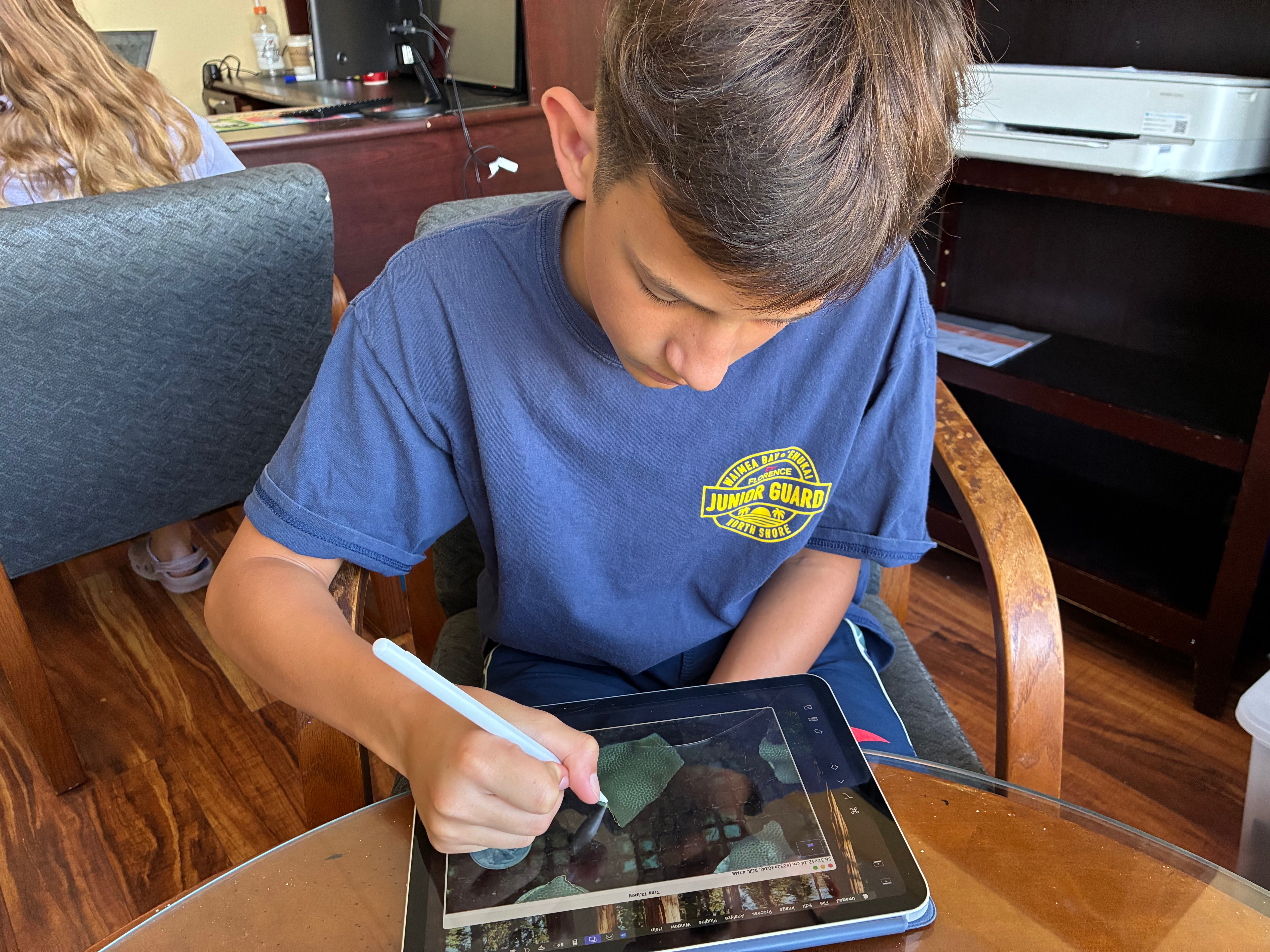
Our OAP Six Week Marine Research Interns have just completed their second week, where they dove deep into the Ecological Monitoring Program (EMP). Read below to learn all about the ecological monitoring program and what these Interns got up to this week.
What is Ocean Alliance Project?
Ocean Alliance Project (OAP) is a 501c(3) nonprofit organization based in on Oahu, Hawaii. Our goal is to protect and preserve the marine biodiversity of Oahu, Hawaii. We do this through community based monitoring and regenerative tourism programs. A good example of this is our six-week Marine Research Internship.

What is the Ecological Monitoring Program?
The ecological monitoring program is a key component of the Six Week Marine Research Internship offered by OAP. The ecological monitoring program is a global monitoring technique that was invented to standardise the way we collect data on our coral reefs. Therefore, by using a standardised technique, longterm data sets can be developed to paint a clear picture of how our reefs have changed over time.
How does the Ecological Monitoring Program work?
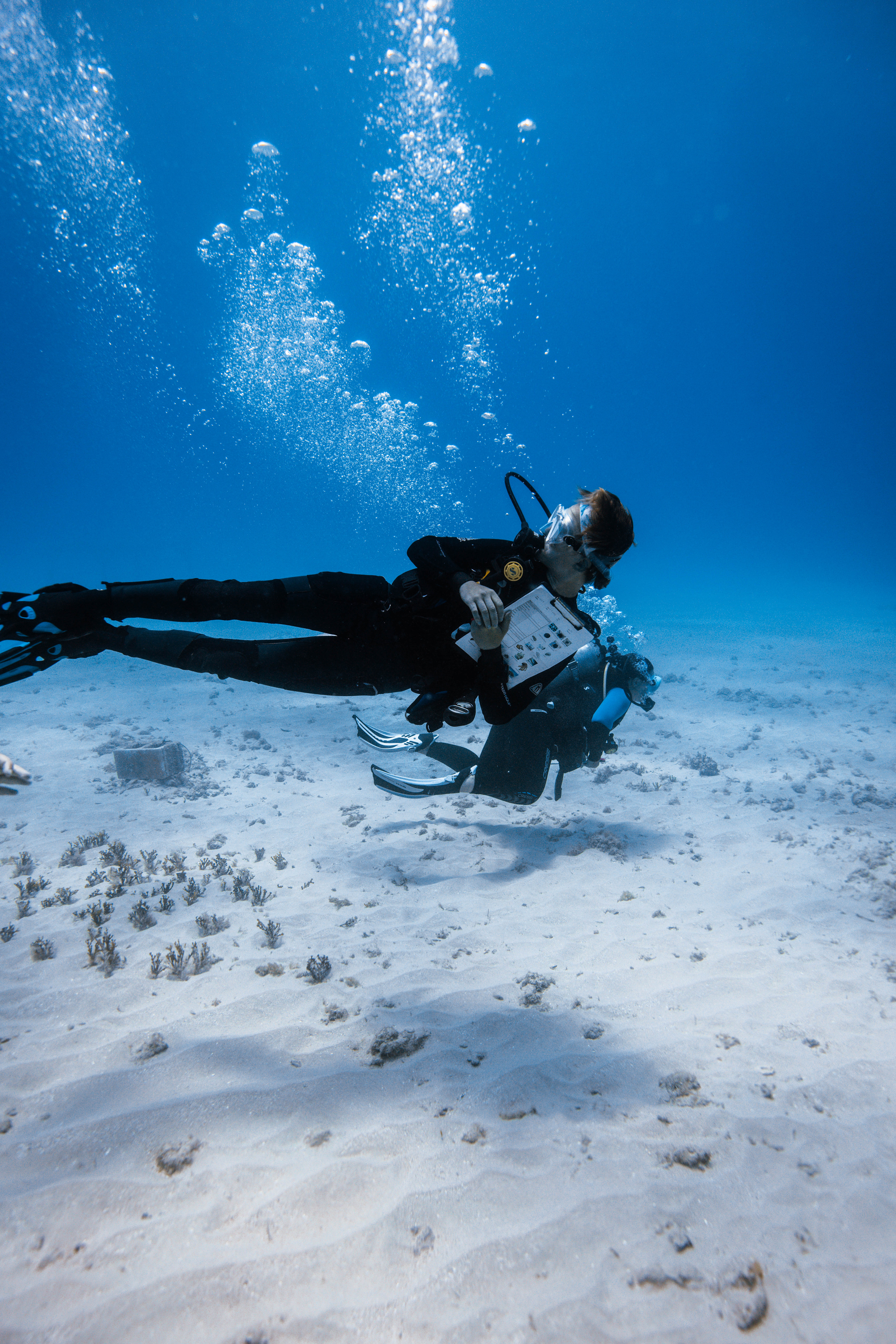
The ecological monitoring program consists of three different surveys along the same transect line: Invertebrate, Chordate and Benthic Surveys. In these surveys, the transect covers a 30m x 5m area along any given section of reef and a tape measure is used to define this area. For a full ecological monitoring program, three buddy teams will each be designated one of the surveys. The Chordate team goes first, followed by the Benthic team and finally the Invertebrate team. Each team has a specific list of indicator species to count, which are chosen for their ecological, commercial or cultural importance.
Invertebrate Surveys
The invertebrates are a paraphyletic group of animals that includes everything except the chordates (animals with a backbone). In Hawai’i, we have 20 invertebrates on our species indicator list that we monitor in each ecological monitoring program. This includes various species of sea stars, urchins, sea slugs, sea cucumbers, crabs, snails, octopus and squid. As a result, this is our slowest survey and requires a zig-zag swim pattern down the transect to ensure each section is covered.


Chordate Surveys
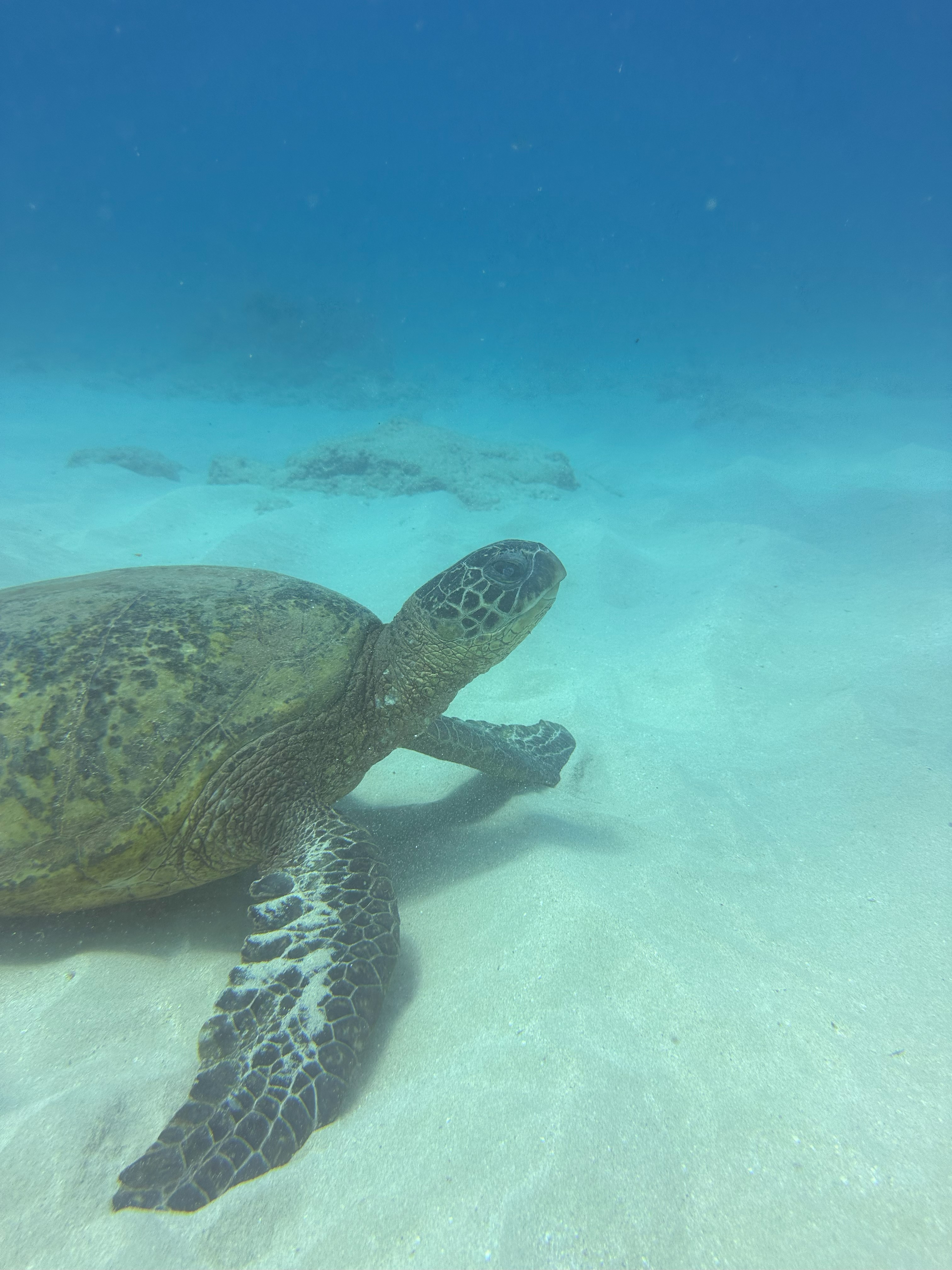
Phylum Chordata includes any animal with a backbone. There are 30 chordates on our indicator list and some of these are classed down to the species level, while others are grouped together for simplicity. For example, we record each ‘Goldring Surgeonfish’ but record any turtle sightings as ‘Turtles’, omitting the species identification. This is our fastest survey and requires a constant swim pace, looking five metres in front and above while surveying to record all fish within the 30m x 5m x 5m area.


Benthic Surveys
Benthic animals are those that live on the sea floor. The diver is required to swim the 30m transect and record the animal present at each 0.5m interval. There are two components to this survey: Substrate Composition and Coral Disease. Substrate Composition is first classed by substrate type: hard coral, soft coral, sponge, rock, rubble, sand, silt and other. If the substrate type is hard coral, the growth form, health and genera are then recorded. In Coral Disease surveys,


How to Get Involved and Support Ocean Alliance Project
If you want to find out more about our internship opportunities, check out our upcoming programs:
- 1 Day Sea Turtle/ Coral Reef Conservationist Program: Learn More & Sign Up
- 4 Day Ecological Monitoring Program: Learn More & Sign Up
- 6 Week Marine Research Internship: Learn More & Sign Up
- 8 Week Scientific Divemaster Internship: Learn More & Sign Up
Or, if you’d like to support Ocean Alliance Project in other ways, consider donating or collaborating with us through the Get Involved section on our website
Leave a Reply