


Discover how Ariel Delossantos became a sea turtle conservationist and coral reef advocate through Ocean Alliance Project’s regenerative tourism marine conservation program.
Introduction to the Regenerative Tourism Program
At Ocean Alliance Project (OAP), our goal is simple but ambitious: to protect and preserve our marine biodiversity through community based monitoring and regenerative tourism. In one exciting day, participants dive into marine research, collect vital data, and contribute directly to the conservation of Hawaiian sea turtles and coral reefs.
Our program is divided into two immersive experiences: the Sea Turtle Conservation and Coral Reef Conservation programs. Recently, we had the pleasure of welcoming Ariel Delossantos to our one-day program, where she enthusiastically embraced her role as both a turtle and reef conservationist.

Sea Turtle Conservationist Program
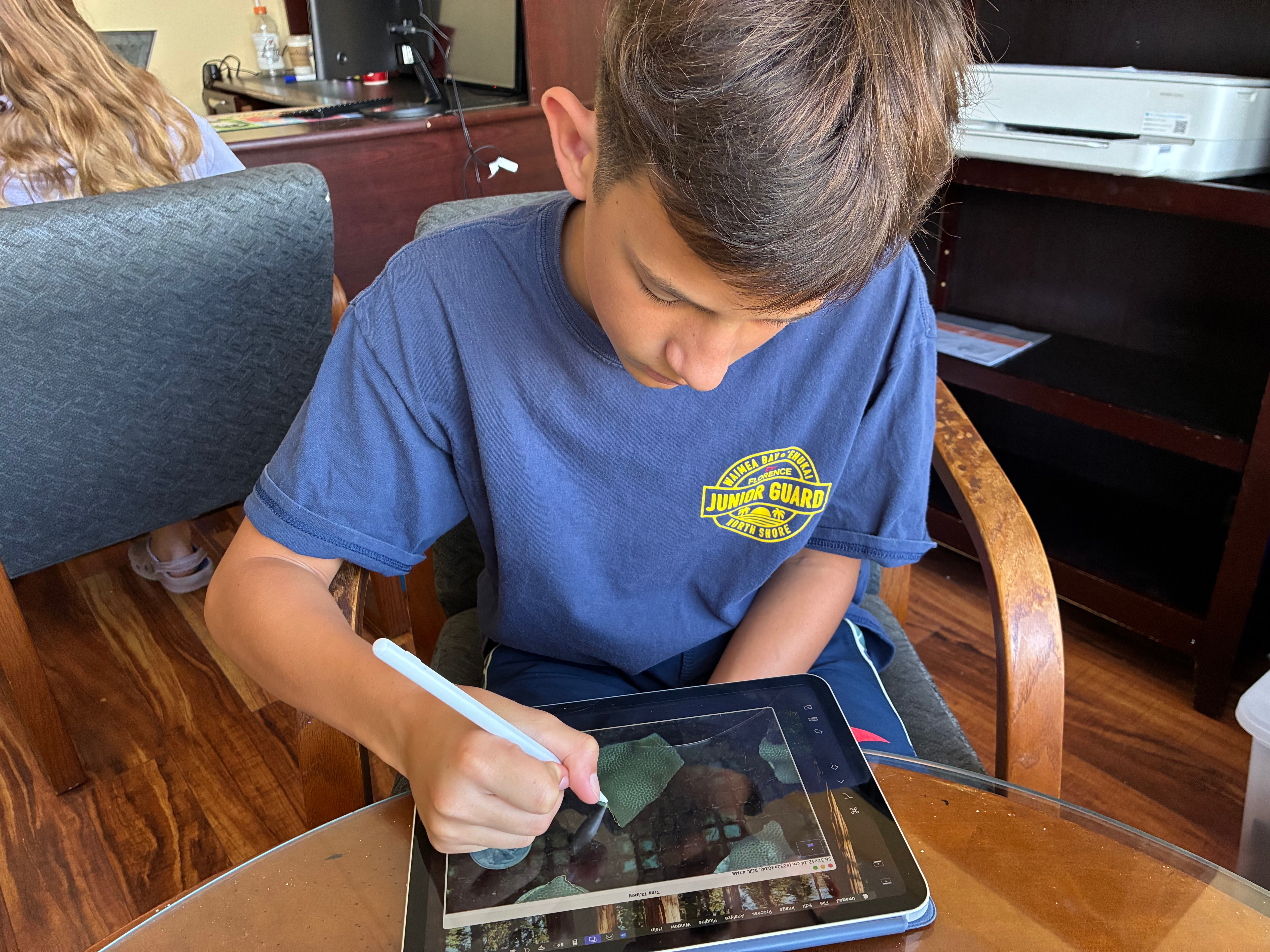
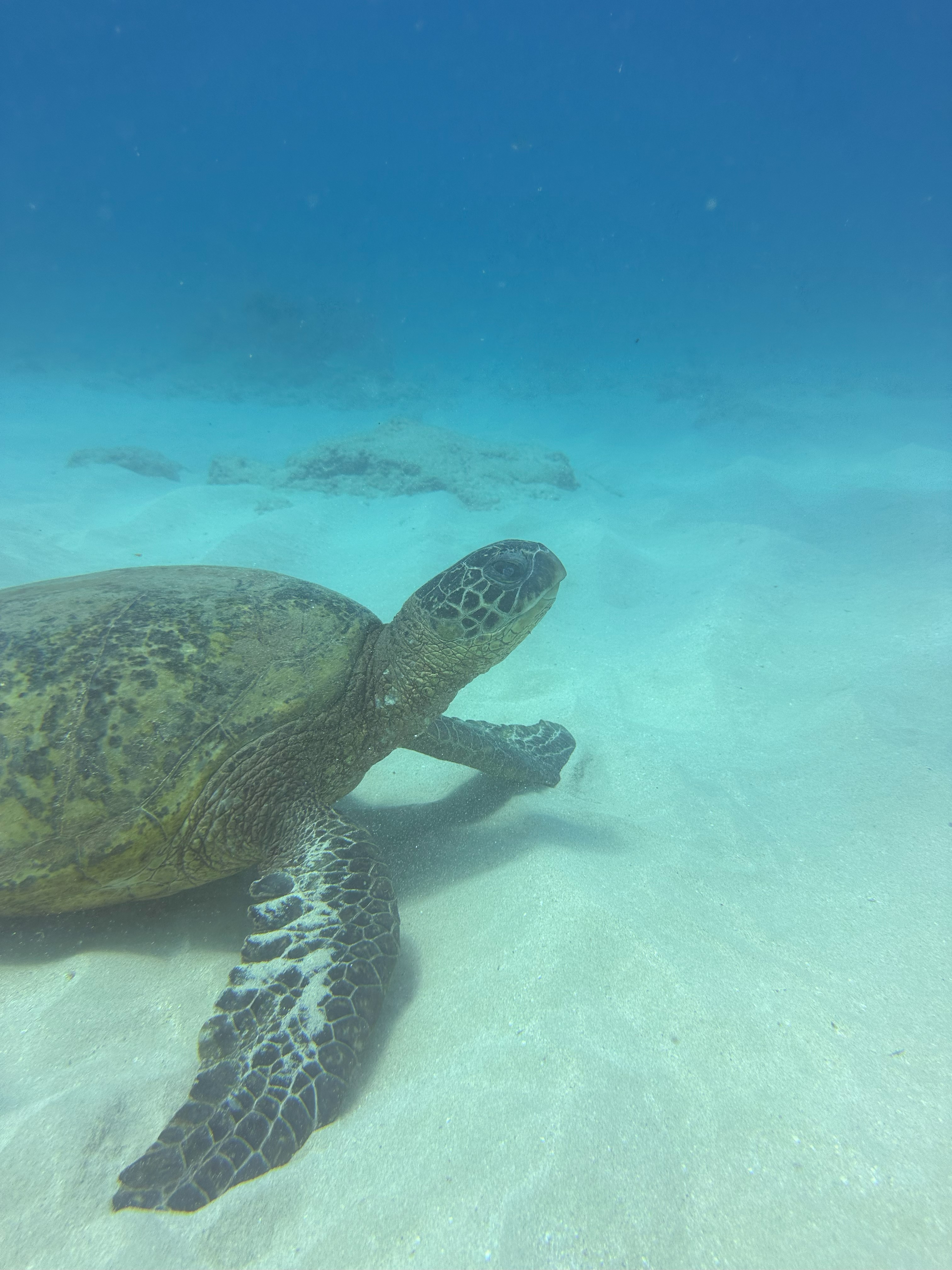
Ariel began her journey by diving into the realm of sea turtle identification using the i3s pattern recognition system. On her first dive, she collected images of Hawaiian green sea turtles gliding through the clear waters of Kewalos Pipe. After surfacing and carefully analyzing the images, Ariel was able to identify and name three previously undocumented turtles:

Ateh: A sleepy female green sea turtle gracefully getting cleaned by yellow tang and gold-ring surgeonfish.

Matey: A green sea turtle that was first seen sleeping at the cleaning station, but then launched towards the surface for some air. Matey was missing her front flipper, however, she shows that sea turtles can thrive in the face of adversity

Kuya: The only male sea turtle seen on the day. You can always tell if an adult sea turtle is a male based on the length of the tail. Ariel decided to name this turtle “Kuya” as it means Older Brother in Tagalog.
Naming each turtle created a personal bond between Ariel and these magnificent creatures, reinforcing her commitment to their protection.
Coral Reef Conservation Program
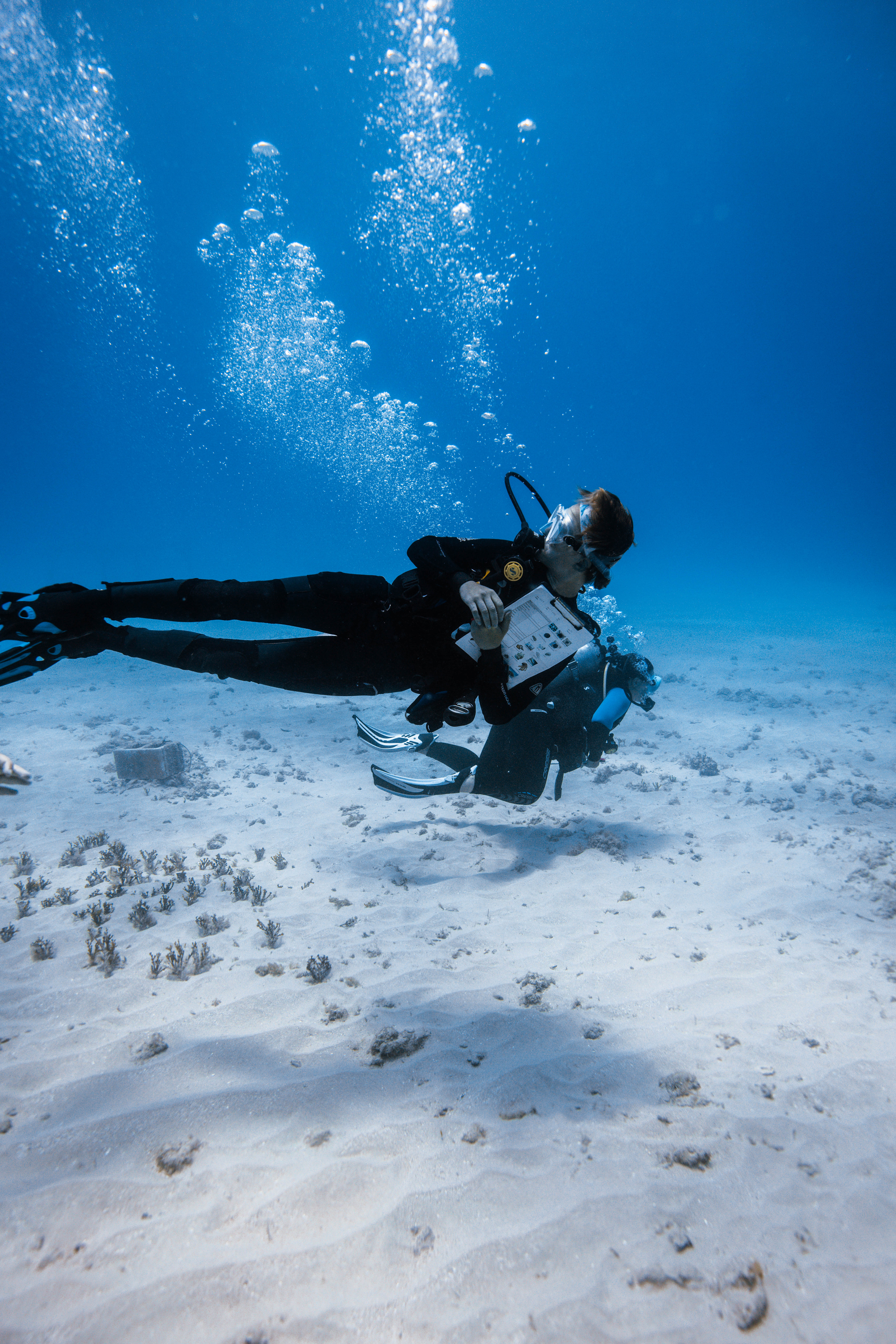
Ariel took on her next role as a Coral Reef Conservationist. On the second dive, she set off to conduct orthoimagery over the shallow section of Horseshoe Reef. With the Photogrammetry camera (Sony A6400) in hand, Ariel carefully swam along permanent transect zones to capture high-resolution images.
Back at the offices, these images were stitched together to create detailed orthomosaics of the reef, which will be used by researchers to monitor coral health and detect changes over time. Ariel’s work contributes to a growing database that provides critical insights into the state of coral reefs around the Hawaiian Islands.
Impact and Conservation Success Stories
Ariel’s contribution to our regenerative tourism program illustrates the incredible impact individuals can have on marine conservation. Thanks to her dedication and enthusiasm, OAP’s turtle database now includes Ateh, Matey, and Kuya, and her orthoimagery will help researchers monitor coral health at Horseshoe Reef.
How to Get Involved and Support Ocean Alliance Project
If you want to follow in Ariel’s fins and join us for an unforgettable day of diving and conservation, check out our upcoming programs:
- Sea Turtle Conservationist Program: Learn More & Sign Up
- Coral Reef Conservationist Program: Learn More & Sign Up
Or, if you’d like to support Ocean Alliance Project in other ways, consider donating or collaborating with us through the Get Involved section on our website.

Behind-the-Scenes Insights
The success of the Sea Turtle and Coral Reef Conservationist programs relies on careful preparation and a commitment to using innovative technology. Here’s a glimpse of what goes on behind the scenes:
- Training: Our team provides comprehensive training to ensure participants are comfortable and knowledgeable in using the i3s pattern recognition system and orthoimagery equipment.
- Participant Experience: Ariel described her day with OAP as “eye-opening and empowering,” saying she felt “like she learned a lot, and had a lot of fun helping protect the reefs of Hawai’i.”
- Technology: The i3s system allows us to identify individual sea turtles through unique facial patterns, while orthomosaics offer high-resolution maps of coral reefs.

Leave a Reply