


Welcome to the Ocean Alliance Project’s latest dive into marine conservation! Today, we’re thrilled to share the culmination of our photogrammetry efforts at the stunning dive sites on Oahu. Join us as we unveil a mesmerizing 3D model video, orthomosaic, and Digital Elevation Model (DEM) that not only contribute to our 3D model database but also serve as a rich educational resource.
Join us in safeguarding the marine wonders of Horseshoe Reef. Your support makes a difference. Donate today to fuel our ongoing marine conservation initiatives and contribute to the preservation of this vital underwater ecosystem.
Engaging the Community in Marine Conservation
Horseshoe Reef, located near Kewalo Basin, is one of the most frequently visited dive sites on Oahu. The reef named after it’s horseshoe shape provides a captivating underwater experience with its vibrant coral formations and diverse marine life.
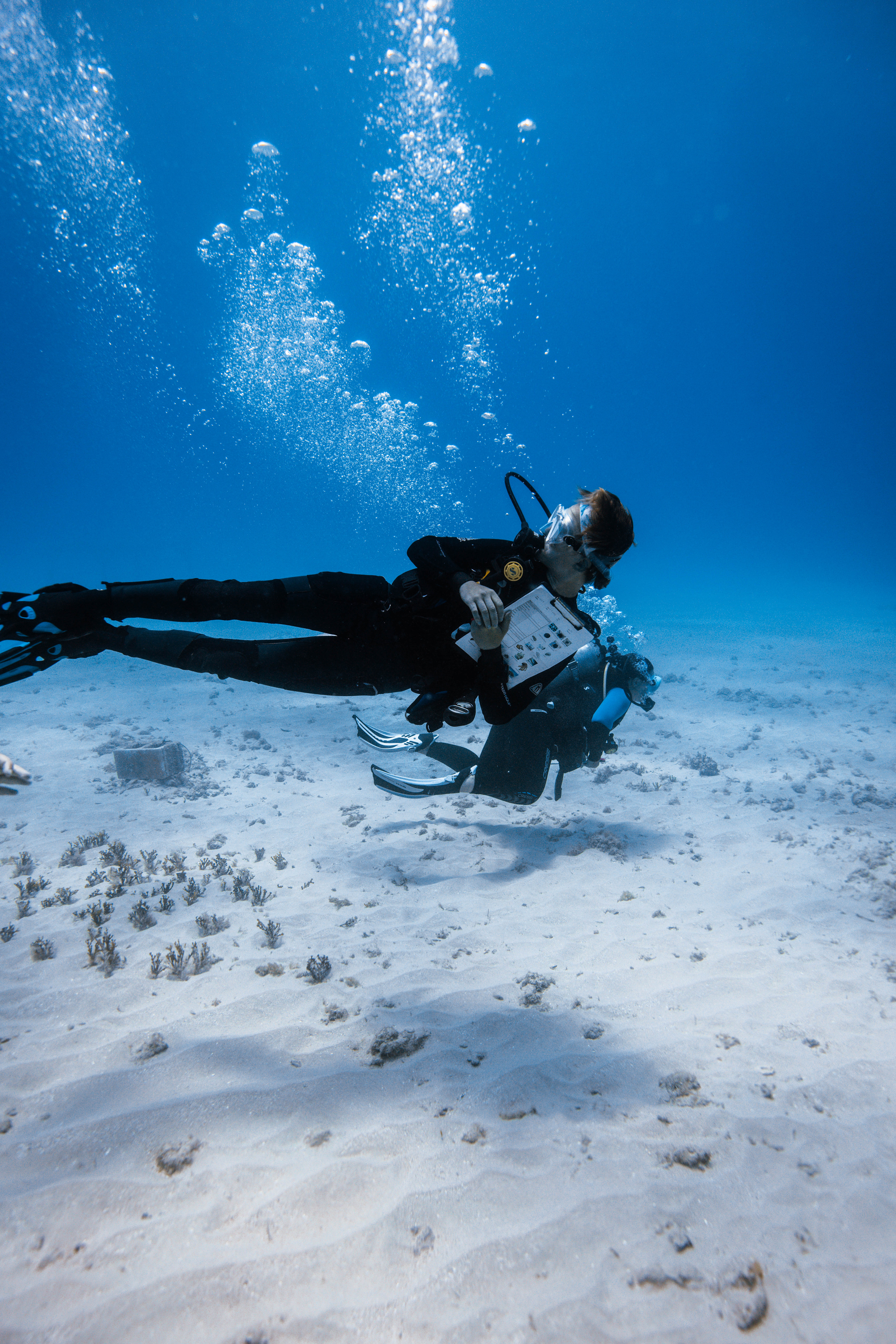
Additionally, Horseshoe Reef stands out as a beautiful site with rich substrate biodiversity, offering a unique opportunity for the Ocean Alliance Project’s regenerative tourism and community training programs to explore and contribute to the conservation of this thriving marine ecosystem.

Section 1: Understanding Horseshoe Reef’s Ecosystem Using Ecological Monitoring as a tool for Managing Dive Sites on Oahu
This marine sanctuary is home to three main coral genera: Porites, Pocillopora, and Montipora, while less common genera include Pavona, Leptastrea, and Fungia. Notably, it boasts one of the highest coral coverages of southside Oahu.
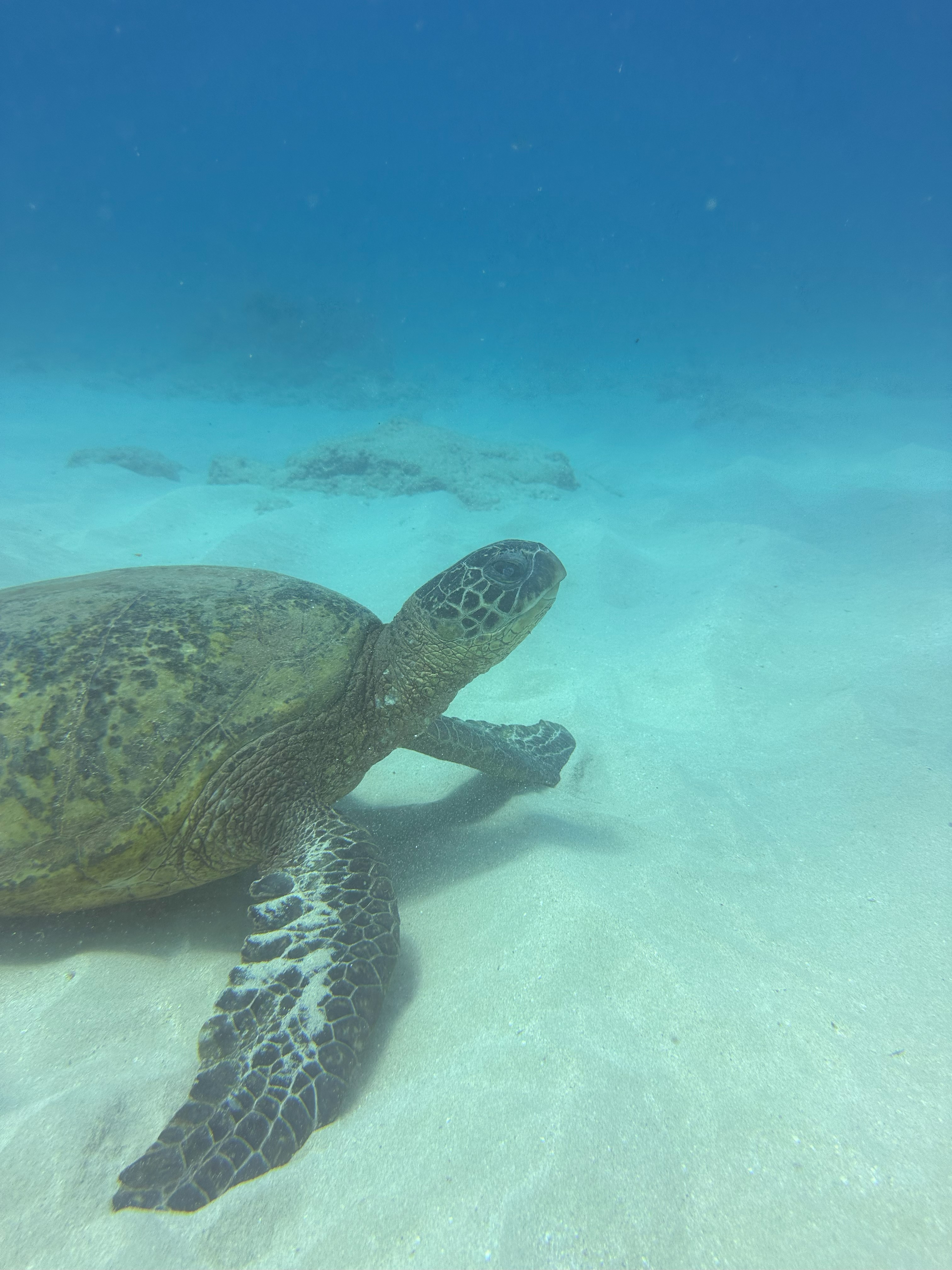
At a depth of approximately 45-50 feet, this site maintains a winter temperature of around 75 degrees and a summer temperature of approximately 80 degrees. The area is frequented by milkfish and Ulua traversing through the vibrant corals. Notably, Hawaiian Green Sea Turtles are occasionally spotted. However, their sightings are more common in adjacent sections like Secrets and Deep Pipe, where sheltered ledges are more abundant.

Orthomosaic Mapping the Biodiversity on a 2 Dimensional Scale
The orthomosaic derived from our exploration of Horseshoe Reef, one of the most popular dive sites on Oahu, is a remarkable visual representation of the intricate underwater landscape.
Comprising high-resolution images stitched together seamlessly, the orthomosaic provides a detailed and accurate map of the reef’s surface. Additionally, this composite image allows us to examine the entire site with precision, offering insights into the distribution of coral formations, substrate features, and the overall health of the ecosystem.

Digital Elevation Model Mapping the complexity of Horseshoe Reef.
Accompanying the orthomosaic, the Digital Elevation Model (DEM) extracted from our exploration of Horseshoe Reef offers a comprehensive three-dimensional perspective of the underwater terrain. Therefore, by capturing the elevation data of the reef, the DEM allows us to analyze subtle changes in the landscape, such as reef structure and variations in depth.
This invaluable information contributes to our ecological monitoring efforts, aiding in the identification of critical areas for conservation. Furthermore, the DEM serves as a powerful tool for mapping the underwater topography, providing essential insights into the complex dynamics of Horseshoe Reef.
Getting Involved
As we wrap up this exciting revelation of Horseshoe Reef, we invite you to join the Ocean Alliance Project’s mission. Whether you’re a passionate marine enthusiast, a curious visitor, or a community member eager to contribute, there’s a place for you in our regenerative tourism and marine conservation programs. Together, let’s continue exploring, educating, and preserving the wonders of Oahu’s marine ecosystems.
Join us in safeguarding the marine wonders of Horseshoe Reef. Your support makes a difference. Donate today to fuel our ongoing marine conservation initiatives and contribute to the preservation of this vital underwater ecosystem.
Ready to dive deeper into marine conservation? First, explore our Programs Page to discover how you can get involved. Second, follow us on social media for real-time updates on our conservation initiatives.
Lastly, check out the data available for Download:
Leave a Reply